5 Timeless Rules for Elevated Hudson Valley Wedding Design
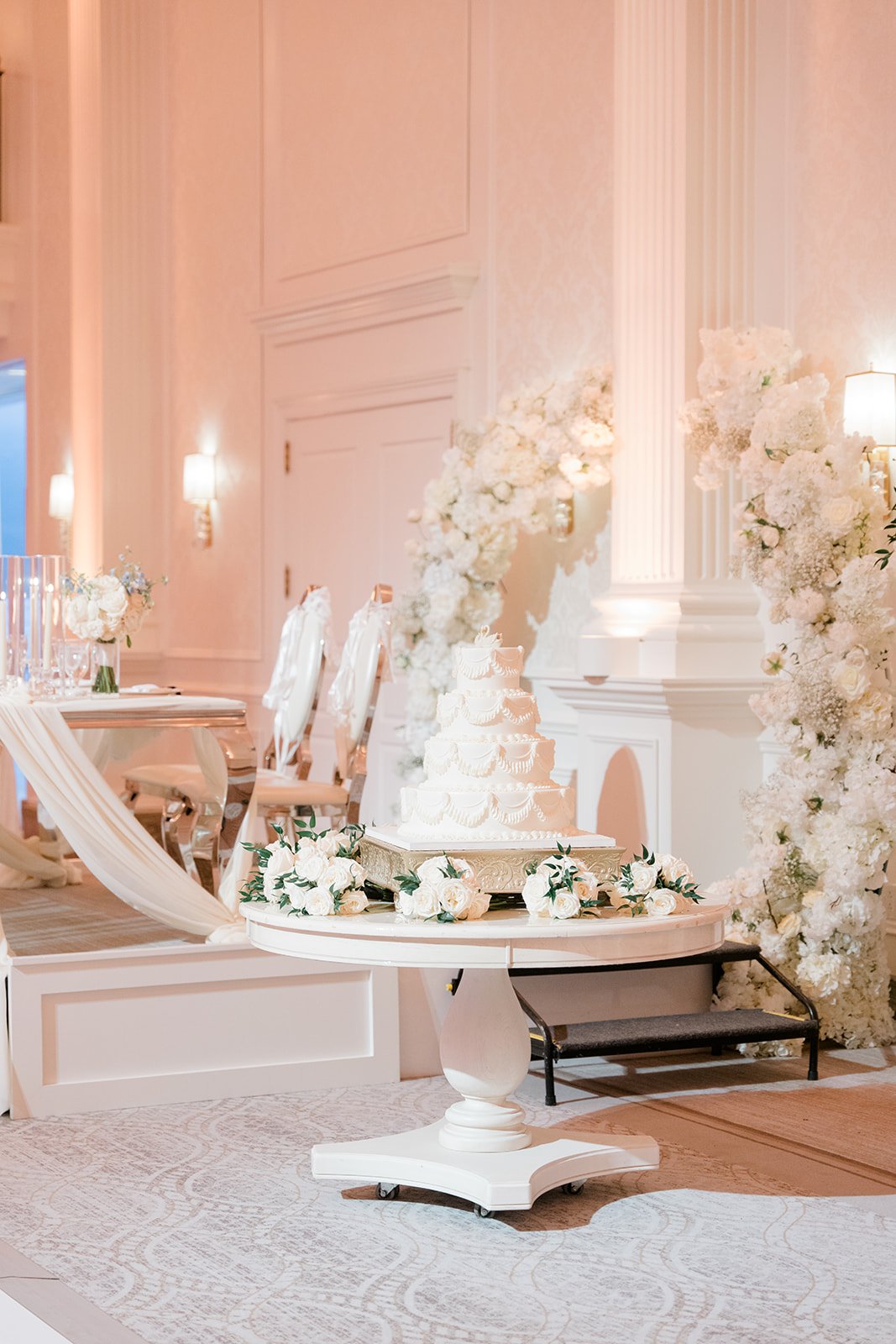
Photo by Karina Mekel
Beautiful weddings are not created by adding more simply for the sake of more. The most memorable celebrations are built through thoughtful choices, visual restraint, and a clear understanding of how every detail contributes to the overall experience. As a wedding planner and designer based in Rockland County, I approach Hudson Valley wedding design with one goal in mind: creating a celebration that feels cohesive, personal, and intentional from the moment guests arrive.
I serve couples throughout the Hudson Valley, Westchester County, Northern New Jersey, and surrounding areas, but these design principles are not tied to one venue, season, or style. They are not trends that will feel dated a year from now. They are timeless rules that help a wedding feel elevated, whether the vision is romantic and garden inspired, clean and modern, rich with old world character, or entirely personal to the couple.
Luxury is often associated with abundance, but true luxury is not about filling every surface or choosing the most expensive option. It is about knowing what deserves attention, what can remain quiet, and how every decision works together. Guests may not remember the exact flower in every centerpiece, but they will remember the feeling the room created.
Here are five timeless rules I return to when developing a thoughtful and elevated wedding design.
1. Give Every Space Visual Breathing Room
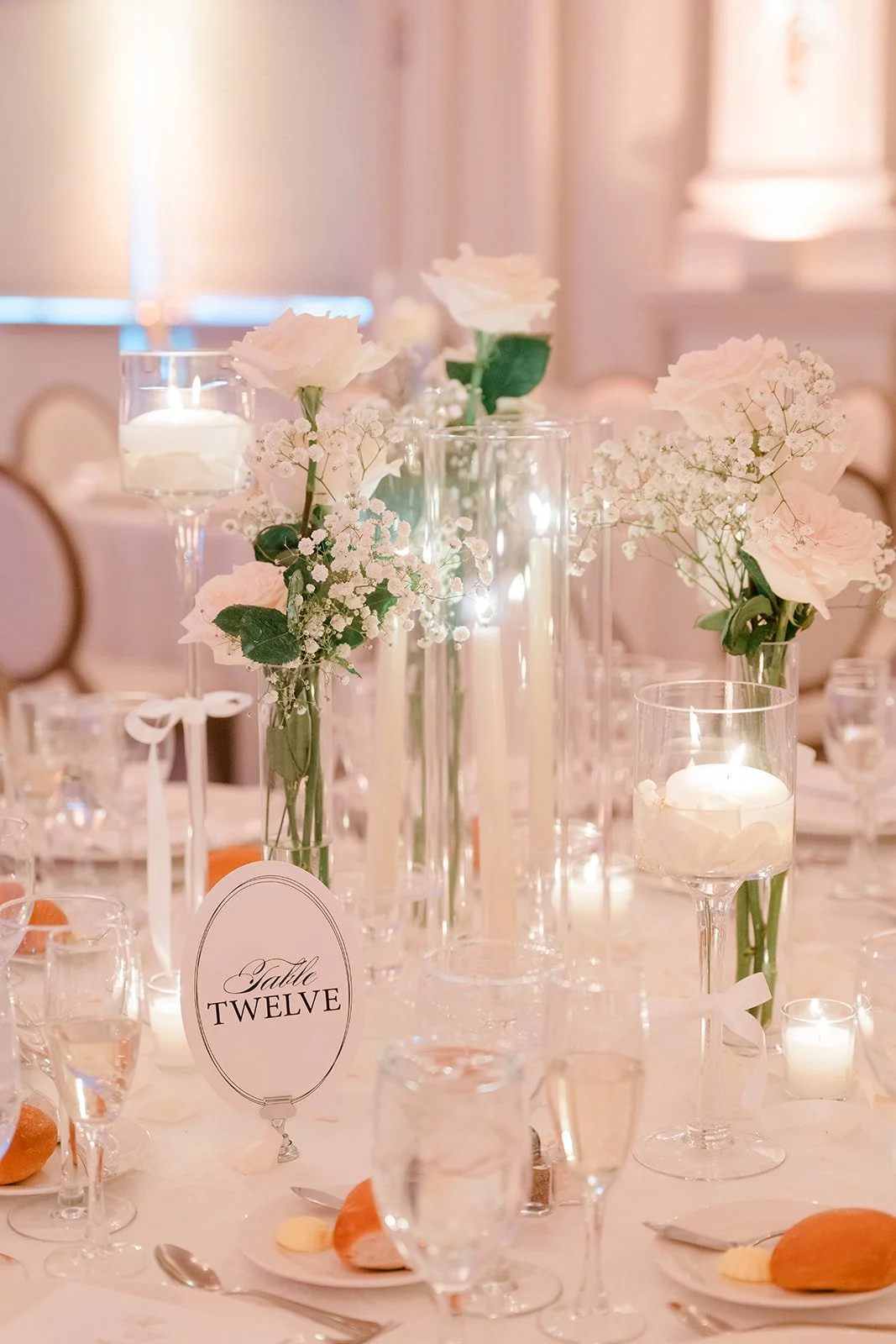
Photo by Karina Mekel
One of the most important rules in Hudson Valley wedding design is knowing when to stop.
When couples begin choosing flowers, candles, stationery, signage, linens, rentals, and personal details, it can be tempting to give every idea its own moment. The problem is that when everything is asking for attention, nothing truly stands out.
Visual breathing room gives the eye a place to rest. It allows meaningful details to feel important instead of getting lost among too many competing elements. This does not mean a wedding has to be minimal. A lush, layered celebration can still feel refined when every piece has a purpose and the room has a clear visual rhythm.
Breathing room can look like leaving part of a long table intentionally simple so the florals have space to shine. It can mean choosing one beautifully styled welcome moment instead of placing signs throughout the entire venue. It can also mean allowing the architecture, landscape, or natural character of a Hudson Valley wedding venue to become part of the design rather than covering it.
Before adding another detail, I ask whether it strengthens the experience or simply fills space. Editing is part of designing. Sometimes the choice to remove something is what allows the entire room to feel more elevated.
Planning a celebration and unsure how to turn all of your inspiration into one clear direction? Click here to explore wedding design services and learn how Forever After Events can help you create a thoughtful, cohesive vision.
2. Choose One Strong Statement Instead of Ten Competing Ideas
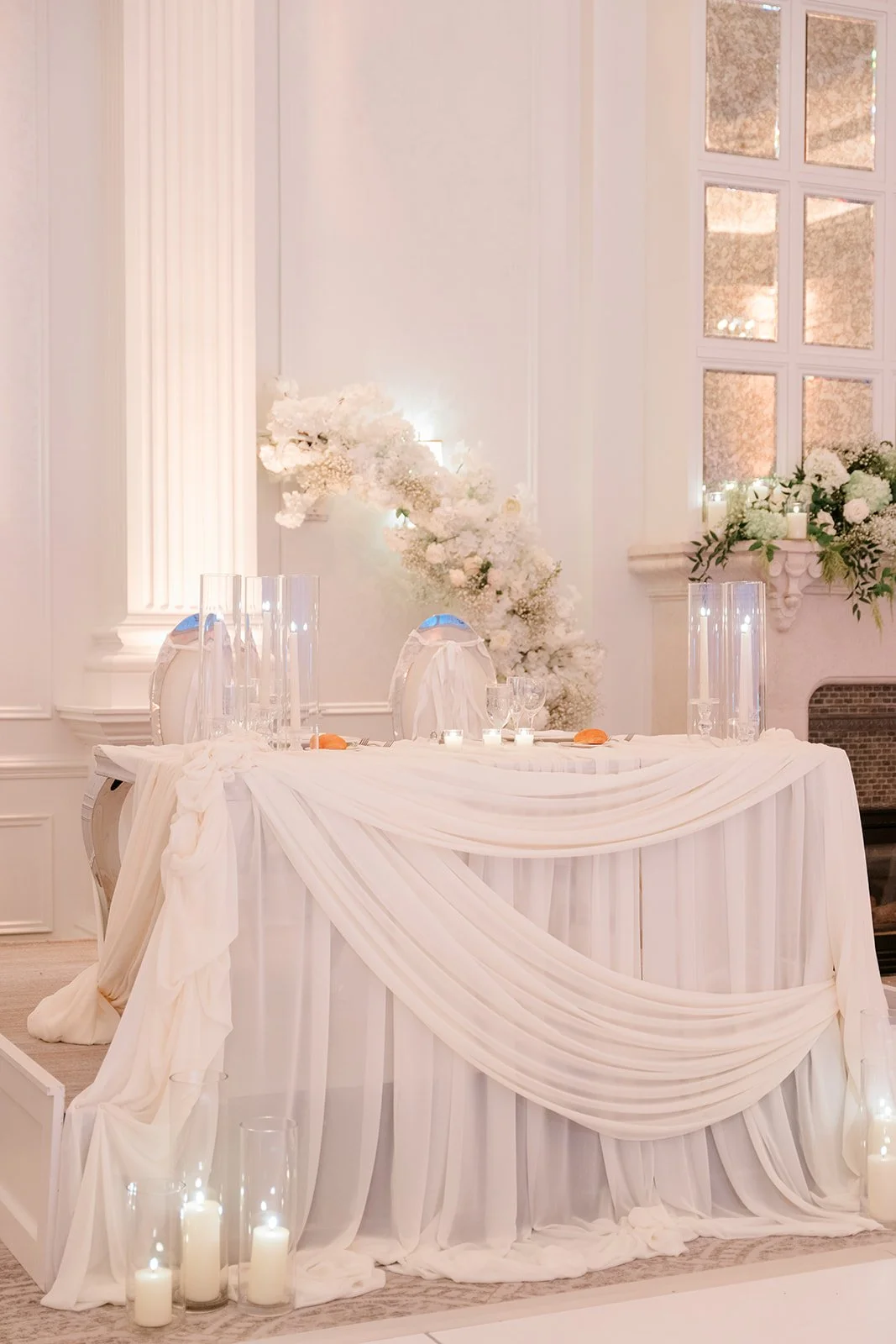
Photo by Karina Mekel
Every wedding needs a focal point. It gives the room a sense of intention and creates a moment guests naturally notice.
That focal point does not have to be the largest or most expensive element. It simply needs enough visual strength to lead the design. Depending on the venue and the priorities of the couple, it might be a ceremony installation, a dramatic escort display, a beautifully styled bar, a layered sweetheart table, or an entrance that immediately sets the tone.
One strong statement often creates more impact than scattering the same budget across many smaller pieces. Ten unrelated ideas may each be beautiful on their own, but together they can make the wedding feel busy or disconnected. A clear focal point gives the other details something to support.
This is also where priorities matter. If gathering around the table is central to your celebration, the reception tables may deserve the strongest design investment. If the ceremony carries the most emotional meaning, the backdrop and aisle may become the defining visual moment. If you want guests to feel transported as soon as they arrive, the entrance may be the best place to make a statement.
The goal is not to impress guests at every turn. It is to create one or two moments that feel unforgettable, then allow the rest of the design to complement them.
3. Use Repetition to Create Cohesion
A cohesive wedding does not require every element to match. In fact, weddings often feel more personal when they include variation. What matters is that selected details repeat with enough consistency to create a recognizable visual language.
Repetition might appear through a floral variety used in both the ceremony and reception, a shape carried from the invitation suite into the menus, or a particular material echoed in the candleholders, bar details, and signage. A motif can appear in several places without being copied exactly each time.
This is what helps separate a collected design from a random collection of pretty things.
For example, a garden inspired wedding might repeat soft curves, botanical illustrations, climbing greenery, and warm natural textures. A more modern celebration might use clean lines, sculptural florals, restrained color, and repeated metallic accents. The elements do not need to be identical, but they should feel related.
Repetition also creates comfort for the eye. Once guests encounter a color, shape, texture, or motif more than once, it begins to feel intentional. It quietly connects the stationery to the ceremony, the ceremony to cocktail hour, and cocktail hour to the reception.
Everything does not have to match. It simply has to feel like it belongs to the same story.
4. Layer Texture to Create Depth
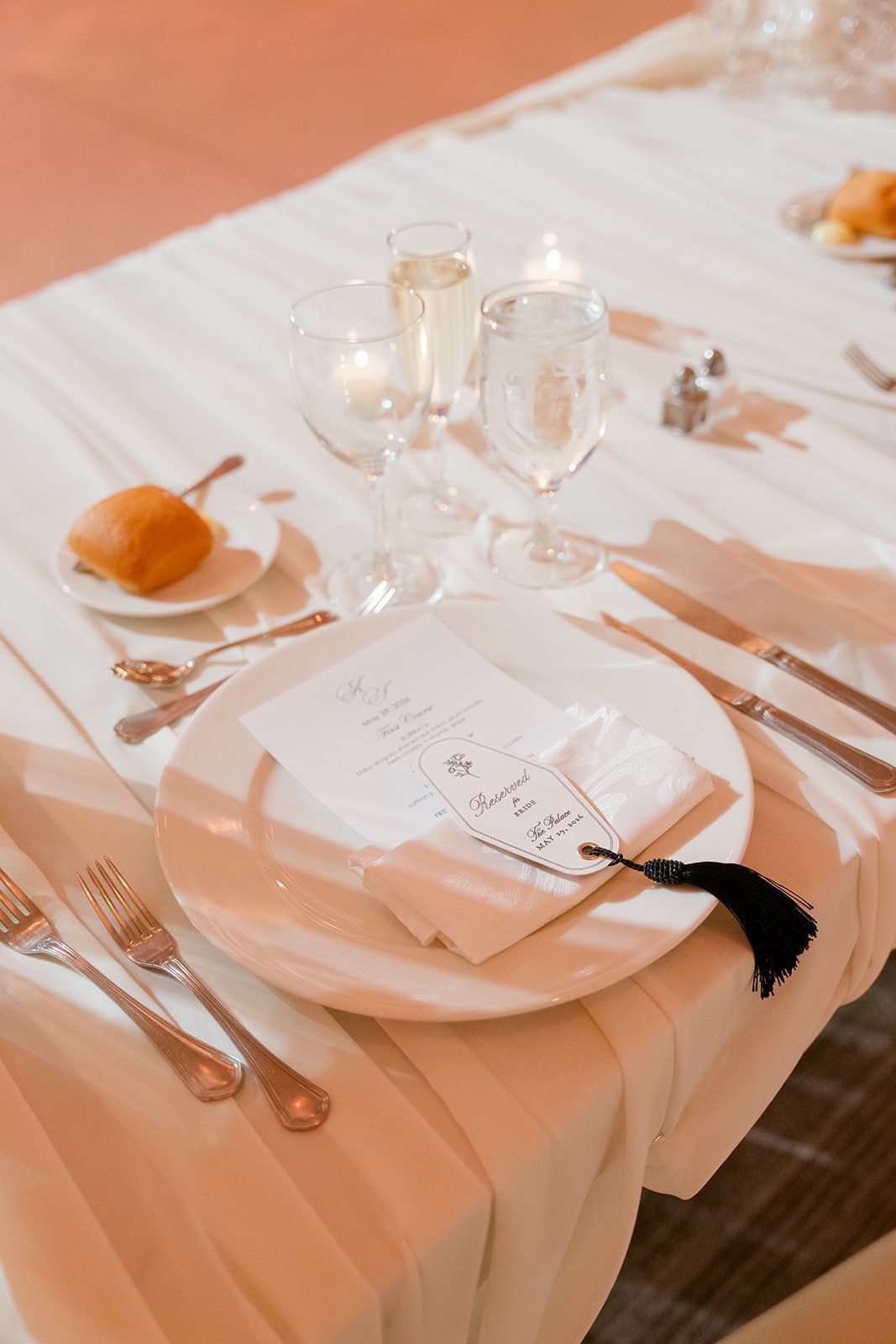
Photo by Karina Mekel
Color is usually one of the first things couples think about when describing a wedding design, but color alone does not create atmosphere. Texture is what gives a space depth, warmth, and dimension.
A room built from only one texture can feel flat, even when the color palette is beautiful. Layering linen, handmade paper, glass, metal, wood, candlelight, flowers, and foliage creates visual interest without requiring more colors or more décor.
Think about the difference between a table dressed only in white and a table that combines a softly woven linen, deckled paper menus, clear glassware, gathered candlelight, and delicate flowers in several shapes. The palette may still be nearly monochromatic, but the experience feels richer because the materials interact differently with light and with one another.
Contrast is part of this layering. A polished surface becomes more interesting beside something organic. A delicate flower feels more expressive against stone or wood. Soft fabric can balance the clean structure of glass or metal. These subtle relationships often create more elegance than adding another accent color.
The same principles appear throughout the wider design world. This Martha Stewart guide to thoughtfully mixing pattern and texture explains how varied materials, complementary elements, and a unifying color can help a layered space feel connected rather than chaotic.
Texture is especially valuable when a couple wants the wedding to feel timeless. It creates richness through material and atmosphere instead of relying on a trend.
Want your wedding to feel layered, personal, and beautifully connected from one space to the next? Learn more about wedding design services and discover how professional design guidance can bring clarity to every visual decision.
5. Tell One Consistent Story
The strongest wedding designs tell one story from beginning to end.
That does not mean choosing a literal theme or making every detail look the same. It means identifying the feeling you want the celebration to create and allowing that feeling to guide the decisions that follow.
If the vision is an intimate European garden dinner, the venue, floral movement, paper details, lighting, table settings, and guest experience should all support that feeling. If the goal is a romantic celebration with old world character, the materials, colors, music, and pacing should feel connected to that world. If the couple wants something playful and personal, the design should make space for details that could only belong to them.
A consistent story is also practical. It becomes a filter for decision making. When a new idea appears, you can ask whether it supports the overall vision or pulls the design in a different direction. This makes it easier to say yes with confidence and just as important, to know when an idea is beautiful but not right for this particular wedding.
The story should extend beyond what guests see. Design also includes how they move through the venue, how they are welcomed, where they gather, and how each space feels. A thoughtful floor plan, comfortable seating, clear transitions, and intentional lighting all contribute to the atmosphere. Hospitality is not separate from wedding design. It is part of the design.
This is why I believe the most successful weddings are not designed as a collection of isolated details. They are designed as complete experiences. The ceremony introduces the feeling. Cocktail hour expands it. The reception deepens it. Each part should feel distinct enough to be interesting, but connected enough to belong to the same celebration.
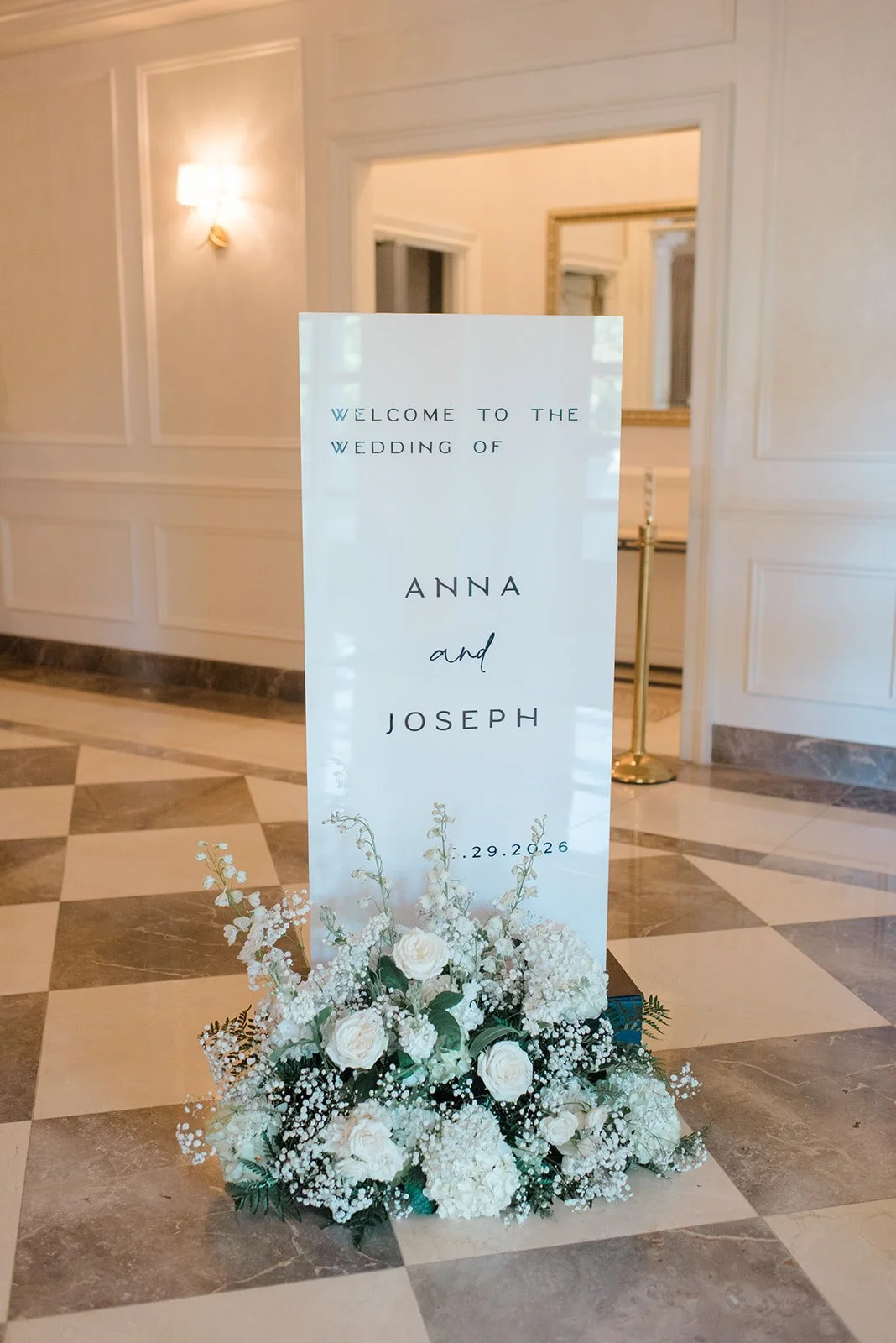
Photo by Karina Mekel
Timeless Hudson Valley Wedding Design Begins With Intention
Trends can be a wonderful source of inspiration, but they are not a substitute for a clear point of view. The weddings that continue to feel beautiful are the ones rooted in intention.
They give important details room to breathe. They create impact through a strong focal point. They use repetition to build cohesion, texture to add depth, and one consistent story to connect the entire celebration.
Most importantly, they feel like the people at the center of them.
That is what elevated design means to me. It is not about adding more for appearance alone. It is about creating a setting that feels considered, welcoming, and deeply personal. When every choice supports the same experience, guests do not just notice a beautiful room. They feel as though they have stepped into a world created specifically for that celebration.
Forever After Events is based in Rockland County and serves couples throughout the Hudson Valley, Westchester County, Northern New Jersey, and surrounding areas. Through thoughtful wedding planning and design, we help couples transform their ideas into celebrations that feel cohesive, intentional, and entirely their own.
If you are ready to create a wedding that feels as meaningful as it looks, inquire about wedding design services today to see how Forever After Events can help bring your vision to life.